Demo Play vs Real Money: What the Numbers Actually Show
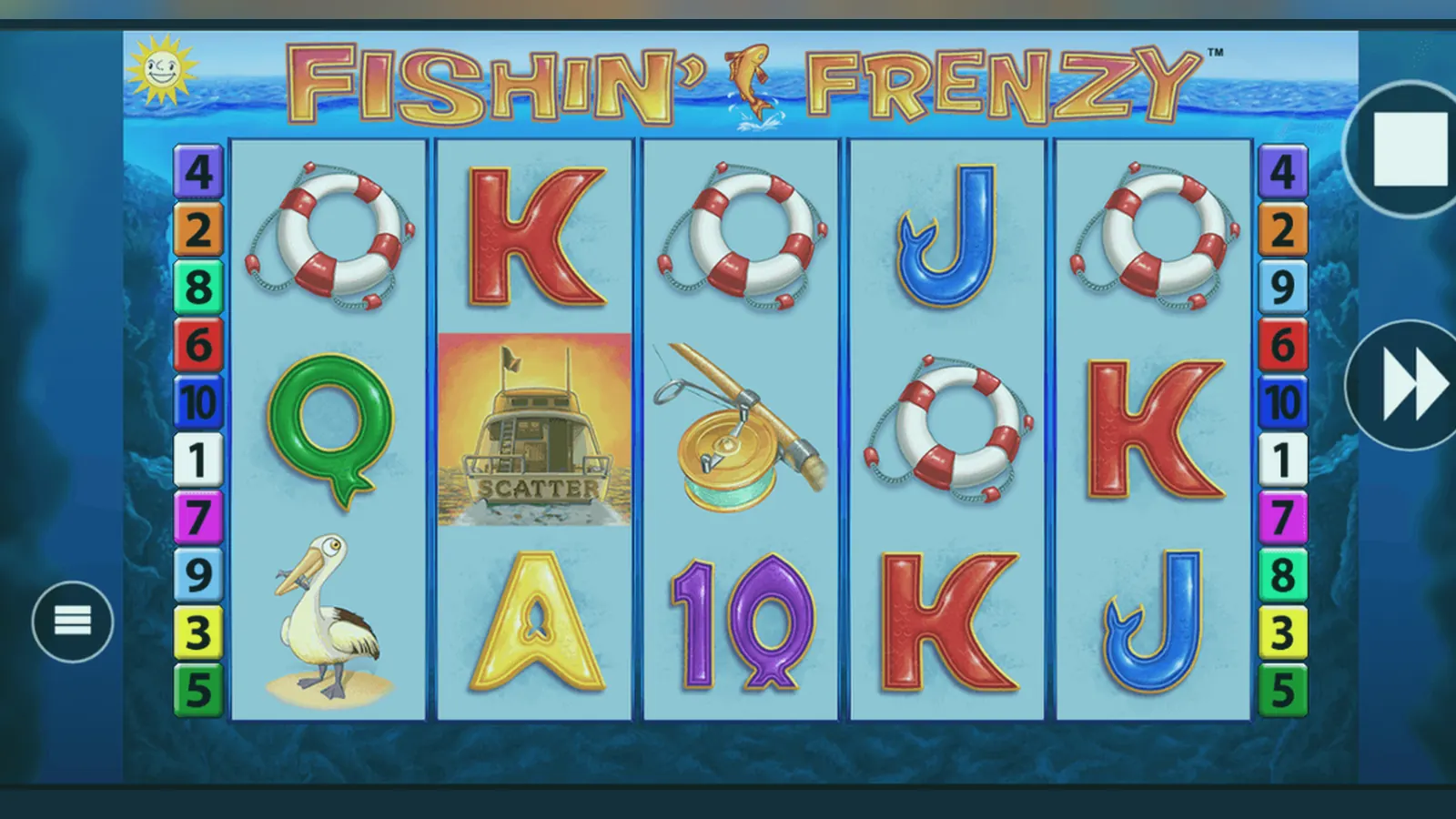
Two versions of the same game sit on a UKGC-licensed site: one runs on pretend money, the other connects to your debit card and triggers affordability checks at £150 a month. The reels look identical, the stake buttons show the same £0.10 minimum and £5.00 cap for over-25s — or £2.00 if you're 18–24 — and the fish prize structure doesn't change. What does change is everything outside the spin button: withdrawal queues, document uploads, bonus wagering, and the fact that a losing streak costs actual sterling.
This breakdown separates the mechanics that demo shares with real money from the friction it hides. If you've heard that demo play is rigged looser or that free spins teach you patterns the real game won't follow, the maths says otherwise. If you've also heard that demo needs no sign-up, the reality on most UKGC sites is age verification first. Here's what each mode actually delivers.
Where Demo Runs and What It Asks For
A handful of review aggregators let you launch demo straight from the browser, no account needed. Most casino operators offering Fishin' Frenzy — and holding a UKGC remote licence — put demo behind a logged-in, age-verified account. The regulator doesn't mandate that wall, but many operators apply it to avoid showing gambling content to anyone who hasn't passed an age check.
Registration means email, date of birth, and often a postcode so the site can run you through a credit-reference check before you deposit. The process takes a few minutes; once you're in, the demo tab appears next to real mode. You don't fund the account, you don't upload documents yet, and you can switch between demo and real money as often as you like — until you request a withdrawal, at which point full KYC kicks in and you'll wait 24–48 hours while the operator verifies your identity and address.
On a phone, demo runs in the same mobile browser or web-app wrapper the real game uses. Google Play and the App Store both allow UK real-money gambling apps from licensed operators, so if the site has a native app, demo will be inside it. Expect the same interface, the same touch controls, and the same stake slider — just a demo-balance ticker instead of your actual GBP balance.
The Session: Stake Range, Pace, and What You'll See
Demo starts you with a fictional balance — often £1,000.00 or £5,000.00 — and lets you pick any stake the real game offers. For players over 25, that's £0.10 to £5.00 per spin; for 18–24-year-olds, the cap drops to £2.00 under affordability rules that came in during 2024. The demo respects those caps, so if you register an account showing you're 22, the stake slider stops at £2.00.
Spin speed matches real mode: tap once, the reels turn, fish prizes reveal themselves, the running total updates. If you trigger the free-spins round, it plays out with the same collector mechanic and the same potential for 10–20 spins. The demo balance drains when you lose and climbs when you win, and if you run it to zero, a refresh button appears to reset the fictional bankroll. No deposit, no loss, and no limit on how many times you can top up the play money.
- Stake buttons and autoplay work exactly as they do in real mode.
- RTP and volatility are identical — the same RNG, the same paytable.
- Free-spins frequency and fish-collector payouts follow the published maths.
- Session history shows your last 50 or 100 spins, just like real play, but disappears when you log out.
Which Numbers Carry Over and Which Don't
The maths engine behind demo is the same certified RNG the real game uses. Blueprint Gaming submits both versions to the same lab tests, and the UKGC's technical standards require parity: demo can't run a different RTP or a loosened volatility model. If the published return is 96.08%, demo delivers 96.08% over a statistically significant sample — meaning millions of spins, not your 200-spin session.
What doesn't carry over is your demo balance or spin history. Switch from demo to real money and the interface resets: your GBP wallet appears, your demo wins vanish, and any in-progress free-spins round ends. If you've just hit a £487.50 fish-collector payout in demo, that number has no predictive weight for the next real-money spin. The RNG doesn't remember your demo session, and the game doesn't owe you a win or a loss based on what happened in free play.
What Demo Hides: The Friction Real Money Adds
Demo gives you a clean spin: no deposit minimum, no bonus terms, no wagering multiplier. Real money brings all three. Most UKGC sites set a £10.00 minimum deposit, and if you claim a welcome offer — say, 50 free spins on Fishin' Frenzy — those spins come with a wager requirement, typically 35× to 65× the value of any winnings before you can withdraw. Win £20.00 from bonus spins at 40× wagering, and you need to play through £800.00 in total stakes to convert that £20.00 into withdrawable cash.
Demo also skips the KYC queue. Real mode lets you deposit and play immediately, but the first withdrawal request triggers a document check: proof of identity, proof of address, sometimes proof of payment method. The operator has 72 hours under UKGC rules to process that check, though many complete it in 24–48 hours. Until verification clears, your balance sits locked. E-wallets pay out fastest once you're verified — a few hours to 24 hours — while Faster Payments to a bank takes the same day to two working days, and debit-card refunds can stretch to three working days.
Finally, demo doesn't model affordability friction. Deposit more than £150.00 net in a month and the operator must run a soft check against credit-reference data. If the data flags concern, the site may ask for payslips or bank statements before allowing further deposits. That process — introduced in stages through 2024 and 2025 — doesn't appear in demo, but it's the regulatory reality every real-money player in the UK now faces.
Common Myths and What the Evidence Says
One persistent belief is that demo runs hotter — more frequent wins, bigger fish payouts — to lure you into real mode. The maths doesn't support it. Both versions use the same server-side RNG, certified to the same standards, and any deliberate loosening would void the game's compliance. Blueprint and the UKGC-licensed operators hosting the game have no incentive to risk a licence for a temporary marketing edge.
Another claim is that demo teaches you timing: watch the reels for a pattern, then switch to real money and ride a hot streak. RNG outcomes are independent; each spin is a fresh pull from the same probability distribution. If demo gave you 12 dead spins followed by a free-spins trigger, that sequence tells you nothing about the next real-money spin. Volatility means losing runs happen in both modes, and neither mode lets you predict when the next bonus will land.
| Claim | Reality |
|---|---|
| Demo RTP is higher | Certified identical to real mode |
| Demo hides losing streaks | Same volatility model, same dry spells |
| Patterns from demo predict real spins | Each spin is independent; no carryover |
| Demo needs no sign-up | Most UKGC sites require age-verified login |
Switching to Real Money: The Lowest-Friction Path
If demo convinces you to try real stakes, the cleanest route is a no-wagering deposit: £10.00 or £20.00 via debit card, PayPal, or Faster Payments, with no bonus attached. You keep full control of your balance, and any win is yours to withdraw once KYC clears. Credit cards have been banned for gambling since April 2020, so every payment method must be a debit card, e-wallet, or bank transfer in your own name.
Set a deposit limit during registration — most sites prompt you to choose daily, weekly, or monthly caps — and match the stake to your budget. At £0.10 per spin, a £10.00 deposit gives you 100 spins; at £1.00, it's 10 spins. Volatility means those 10 spins could return £0.00 or £15.00 or trigger a free-spins round worth £40.00, but the long-run expectation is £9.60 back for every £10.00 wagered at 96.08% RTP. Deposit limits prevent chasing losses when variance swings against you, and they align with the affordability framework every operator now enforces.
- Pick a UKGC-licensed site from the public register and check the licence number in the footer.
- Register with accurate details so the age and credit checks pass on the first try.
- Verify your account now — upload documents before you deposit — to avoid withdrawal delays later.
- Deposit a modest amount, set a loss limit, and start at the lowest stake the game offers.
- If you're under 25, remember the £2.00 stake cap; if you're over 25, the cap is £5.00 per spin.
Demo on Mobile: Same Game, Different Screen
Fishin' Frenzy runs in HTML5, so demo works on any phone browser without a download. If the operator offers a native app — available through Google Play or the App Store for UKGC-licensed sites — demo sits inside the app, accessible from the game lobby once you've logged in. The stake slider, autoplay toggle, and paytable button all scale to a phone screen, and the reels fill the display in landscape mode.
Touch controls feel identical to real mode: tap to spin, swipe to open the menu, pinch to zoom the paytable if the game supports it. Demo balance updates live, and the session persists as long as you stay logged in. Close the app or browser and your demo history vanishes, but the fictional bankroll refreshes the next time you load the game.
One mobile-specific detail: if you're on a 4G or 5G connection, the game streams smoothly, but a weak signal can cause stutter or a disconnect mid-spin. In demo, that's a non-issue — reload the page and the balance resets. In real mode, an interrupted spin completes server-side, and the result appears in your session history once you reconnect, so you never lose a paid spin to a dropped connection.
When Demo Is Enough and When It Isn't
Demo is useful for learning the interface: where the paytable button lives, how the fish-collector mechanic works during free spins, what the stake range feels like at £0.10 versus £2.00. It's also a zero-cost way to see volatility in action — how often the game pays, how long the dry spells run, and whether the bonus round frequency matches your patience.
What demo can't teach you is the emotional weight of real money. A £50.00 loss in demo resets with a button click; a £50.00 loss in real mode is a debit-card charge you'll see in your bank app tomorrow. That difference changes how you perceive variance: a six-spin losing streak in demo is a curiosity; in real mode, it's a decision point about whether to stop or keep playing. GAMSTOP exists for players who need a break — one registration blocks every UKGC-licensed site for six months to five years, and BeGambleAware offers support if gambling stops feeling like entertainment.
Demo also doesn't model bonus wagering, withdrawal waits, or affordability checks. If your goal is to understand the full player journey — deposit, play, bonus, KYC, withdrawal — demo only covers the middle step. The rest you'll learn by depositing a small amount and walking through the process once, which is why starting with £10.00 and no bonus is the lowest-risk introduction to real mode.
FAQ
Does demo require a UKGC-licensed account, or can I play without signing up?
A few aggregator sites let you launch demo with no account, but most operators offering Fishin' Frenzy put demo behind an age-verified login. Registration takes a few minutes — email, date of birth, postcode — and once you're in, demo appears next to real mode. You don't deposit or upload documents until you switch to real money and request a withdrawal.
If I win £500.00 in demo, does that affect my chances in real mode?
No. Demo and real mode use the same RNG, but your demo session has no influence on future real-money spins. Each spin is an independent event with the same probabilities, so a big demo win doesn't mean the game owes you a loss in real mode, and a demo losing streak doesn't set up a real-money win. The outcomes are separate.
Can I test the £5.00 stake in demo if I'm 22 years old?
No. The £2.00 stake cap for 18–24-year-olds applies in demo as well as real mode. Once you turn 25, the cap lifts to £5.00, and demo will reflect that change the next time you log in. The age-based limits are part of UKGC affordability rules introduced in 2024, and licensed operators enforce them in both play modes.